
Reimagine property ownership through the Property Savings Account (PSA), a market-based framework that pairs each parcel with a long-term investment account. By building capital alongside ownership, PSA is designed to offset rising tax and maintenance costs over time, creating a more stable, asset-driven approach to sustaining both property value and local government revenue.

Rethink the traditional tenant–landlord relationship through a shared-value housing model that aligns incentives between residents and property owners. By integrating participation, stability, and long-term value creation, this framework shifts housing from a transactional arrangement to a collaborative system designed for sustained occupancy, financial resilience, and community performance.
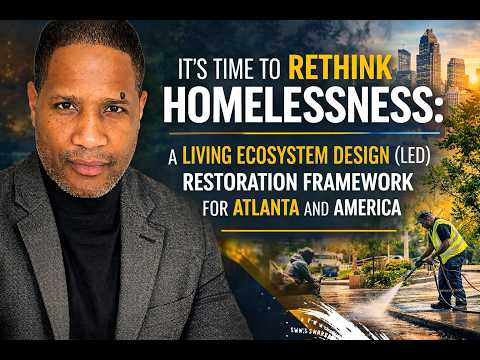
Homelessness is not a housing shortage, it is a systems failure. Current approaches rely on fragmented, temporary solutions that sustain instability. The Living Ecosystem Design (LED) Restoration Framework introduces a coordinated model integrating housing, workforce pathways, and community infrastructure. The goal is to create structured pathways to stability and make homelessness rare, brief, and non-recurring by design.

Remote work changed where we work, but not how systems function. This model introduces a shift from remote work to community work, aligning corporate operations with local ecosystems. The Living Ecosystem Design (LED) approach integrates workforce flexibility with place-based investment, turning distributed work into a driver of community stability, productivity, and long-term economic resilience.
